


Leon de Bruyn discusses the company's growth, circularity, and the latest technology
Highlights
- Lummus expanded its technology portfolio from 120 to 170 process technologies since becoming independent in 2020.
- The company opened 10 new offices globally, including offices in the Middle East and Asia.
- Lummus' technology for tire recycling, plastic waste conversion, and co-located hydrogen production is contributing to decarbonization efforts and the circular economy.
A Foundation of Innovation
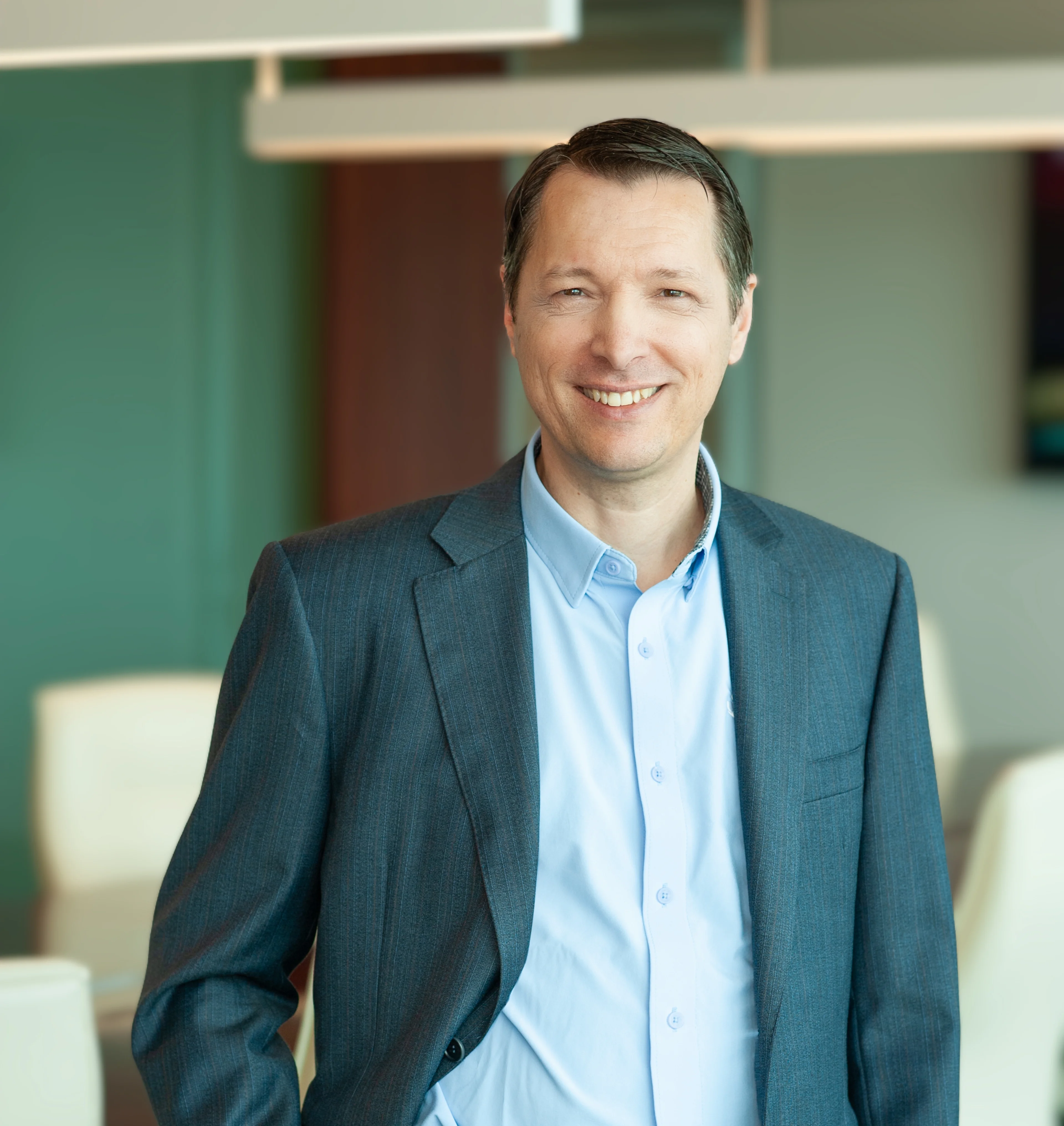
In a recent interview with Investment Reports, Lummus' CEO Leon de Bruyn shared highlights from his three decades with the company where he has worked in nearly every department. Since taking the helm as CEO in 2020, Leon has led a period of growth, expanding the process technology portfolio from 120 to 170 technologies and adding 10 new global offices. He believes in the talent at Lummus and led a culture reset: "I emphasized that failure can be the result of pursuing good ideas and fostered an environment in which people felt free to share their ideas. We pursued all of them, not just some of them," said Leon.
A Framework for Commercializing Technology
He described a disciplined, staged approach to innovation: ideas move from lab work to pilot plants, demonstration units, and finally commercial facilities built by customers. Every technology is evaluated against three criteria: fit with Lummus's capabilities, commercial sense for investors, and scalability beyond a one-off project. When it comes to circularity, Leon does not view profitability and decarbonization as competing goals but as objectives Lummus must pursue together.
Not every innovation is developed in-house. Lummus embraces strategic partnerships and acquisitions, such as the acquisition of Shell's Environmental Catalysts and Systems business, as a faster way to combine complementary technologies and expertise to meet increasingly complex industrial and environmental challenges.
Circularity: Turning Waste into Feedstock
Lummus has several technologies that turn hard-to-dispose of materials into valuable feedstocks contributing to decarbonization efforts and the circular economy.
Tire recycling — a partnership with Innovent Renewables to deploy end-of-life tire recycling technologies globally, recovering steel, carbon black, and petrochemical components from the more than one billion tires discarded each year.
Plastic waste conversion — a microwave-based technology, developed by Resynergi, breaks down plastic waste (including biohazardous hospital materials) into petrochemical feedstocks. Lummus is building a demonstration plant for this technology at its R&D facility in Texas.
Co-located hydrogen production — a partnership with Advanced Ionics to produce and consume hydrogen at the same location, using low-pressure waste steam to reduce the energy required for electrolysis compared to conventional methods, with a demonstration expected within a few months.
Looking Ahead
Leon expects continued global growth in demand for advanced materials and energy infrastructure, driven by population growth and improving living standards, particularly in developing economies. He believes finding more efficient, lower-impact ways to produce the molecules the world depends on is both a business opportunity and a responsibility.
To learn more about how Leon is leading Lummus in developing technologies that make modern life possible, read his interview with Investment Reports here.
